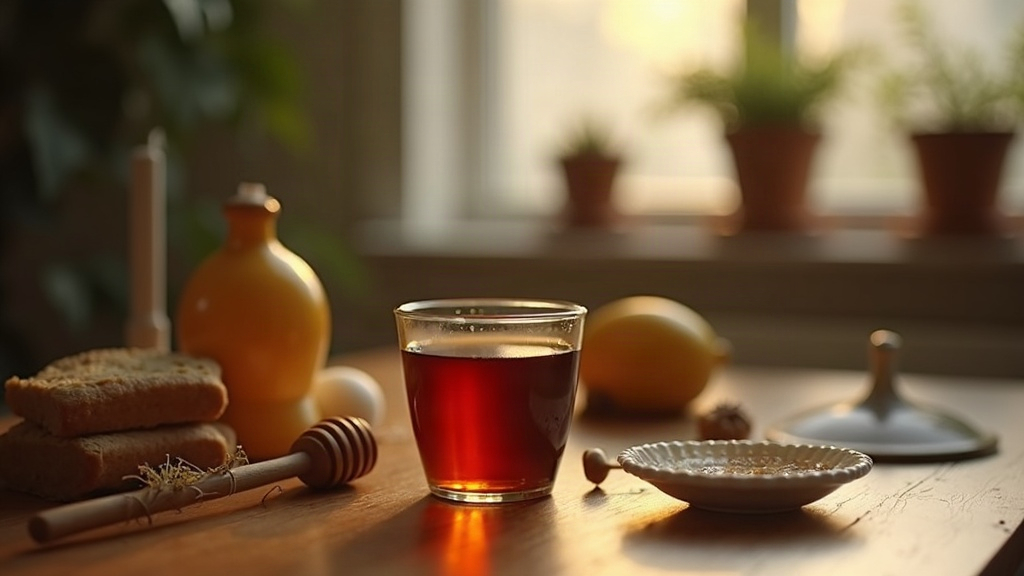
Everyday Nutrition Habits

How Everyday Meals and Biblical drink (oil)/ Honey blend Fit Into a Simple Morning Routine

Biblical drink (oil)/ Honey blend has a long history in traditional kitchens. Here’s a closer look at how it fits into everyday meals, alongside simple habits like meal pacing and a short walk after eating — always alongside the care your doctor already provides.

n
Everyday Nutrition  ·  Daily Habits  ·  Educational Content  ·  Everyday Nutrition  ·  Daily Habits  ·  Educational Content

The Rhythm of an Ordinary Day

Before we talk about any ingredient, let’s talk about the day itself. These moments will sound familiar.

n

That Heavy Morning Feeling

You wake up already tired, before the day has even started. Coffee helps for an hour, then the fog creeps back in.

The After-Lunch Rollercoaster

Energy spikes right after eating, then drops hard an hour later. Some afternoons feel like a slow crawl to dinner.

Too Much Conflicting Advice

One article says avoid carbs. Another says fruit is fine. By the time you've read three opinions, you've stopped trusting any of them.

The Weight of Every Meal Decision

Deciding what to eat, three times a day, every single day, adds up. It's not the food itself — it's the constant deciding.

Myths and Facts Worth Sorting Out

A lot of everyday confusion about meals comes from ideas that got simplified along the way. Here are three worth a second look.

n
MYTH

All carbohydrates are the enemy and should be avoided completely.

n
FACT

Carbohydrates are one part of a meal’s rhythm. The type, portion, and what they’re eaten with all shape how a meal feels afterward — a topic worth discussing with a dietitian or doctor.

n
MYTH

Fruit is basically sugar, so it should be treated the same way as candy.

n
FACT

Fruit comes with fiber and water that plain sugar doesn’t. Many people still enjoy fruit as part of a varied plate — your own routine is worth reviewing with your healthcare provider.

n
MYTH

There’s a special category of ‘diabetic food’ that’s automatically the safe choice.

n
FACT

There’s no single food that’s universally safe or unsafe. What matters more is the overall pattern of meals — and that’s exactly the kind of thing to map out with your doctor, not a food label.

n

Three Habits Some People Build Into Meals

None of this is a rule book. It’s simply how some people choose to organize the meals they were already going to eat — always within the plan their own doctor has laid out.

n
01

Rethink the Order on the Plate

Some people start with vegetables, then protein, and let starches come last. It’s a small sequencing habit, not a rule — and it’s worth mentioning to a dietitian if you’re curious.

n
02

Slow the Pace of the Meal

Eating a little slower, putting the fork down between bites, giving the meal fifteen or twenty minutes instead of five. Simple pacing, nothing more.

n
03

A Short Walk After Eating

Ten or fifteen minutes of easy walking after a meal, nothing intense — just moving instead of sitting straight down. Many people find it fits naturally into an evening routine.

n

Where Biblical drink (oil)/ Honey blend Comes From

Long before it had a bottle or a label, this combination lived in kitchens and pantries. Olive oil and honey both appear across centuries of Mediterranean and Middle Eastern cooking — stirred into bread, drizzled over cooked grains, or blended together as a simple pantry staple passed between generations. Recipes rarely wrote it down with precision; it was more of a household habit, a jar kept on the counter and used the way a family always had. The pairing shows up in old cookbooks and in oral tradition alike, tied more to hospitality and shared meals than to any single formula.

n

This is a story about food culture, not a claim about what it does inside the body. If you’re curious how any ingredient might fit your own meals, that’s a conversation for your doctor or dietitian — not a label.

n

Six Everyday Moments Worth Mentioning to Your Doctor

When Afternoons Feel Consistently Heavy

If the same slow, foggy stretch shows up most afternoons, it's worth describing to the doctor who already follows your care.

When Sleep Doesn't Leave You Rested

Waking up tired more days than not is worth mentioning at your next appointment, rather than adjusting anything on your own.

When Meals Feel Unpredictable

If you notice meals affecting your day in ways that feel new or inconsistent, bring it up with your healthcare provider before changing your routine.

When You're Tempted to Skip a Dose or a Meal

Any thought of skipping medication, insulin, or a planned meal on your own deserves a conversation with your doctor first — not a personal experiment.

When Family History Feels Heavier on Your Mind

If family patterns are weighing on you, your doctor can talk through what regular monitoring looks like for your situation.

When Stress and Meals Start Blurring Together

If stress is shaping when and how you eat, that's worth raising with the professional who already knows your health history.

How Some People Reorganized Their Meal Routine

I stopped treating every meal like a decision from scratch. Having a loose order — vegetables first, everything else after — took the guesswork out of my evenings.

Marisol T.
Illustrative account
The short walk after dinner became the easiest part of my day. It's ten minutes, nothing dramatic, but it gave the evening a shape it didn't have before.
Daniel O.
Illustrative account
Slowing down at meals sounds so small, but it changed how rushed my whole day felt. I still check in with my doctor regularly — this was just about my own routine, not my treatment.
Priya K.
Illustrative account

These are individual accounts shared for illustrative purposes. Results and experiences vary from person to person, and these stories are not a guarantee of any outcome.

n

Curious How This Might Fit Your Own Routine?

Take a closer look at the full story behind Biblical drink (oil)/ Honey blend, meal habits, and everyday routines — and remember, any change to your diet, routine, or treatment plan is worth discussing with your doctor first.

n

Advertising Disclosure: This page contains sponsored content and affiliate links. We may receive compensation if you click a link or make a purchase through the links provided on this page. This helps support the content we create, at no additional cost to you.

n

Content Disclaimer: This content is for educational and informational purposes only. It has not been evaluated by the Food and Drug Administration. It is not intended to diagnose, treat, cure, or prevent any disease, and it is not a substitute for professional medical advice, diagnosis, or treatment. Always consult a qualified healthcare professional before making any changes to your diet, exercise routine, or any prescribed treatment or medication.

n

Results Disclaimer: Individual results vary. Any testimonials, stories, or examples shared on this page reflect personal experiences and are not a guarantee of any particular outcome.

n

© 2026 · All Rights Reserved

n